
Ductwork Setup Tips for HVAC Systems
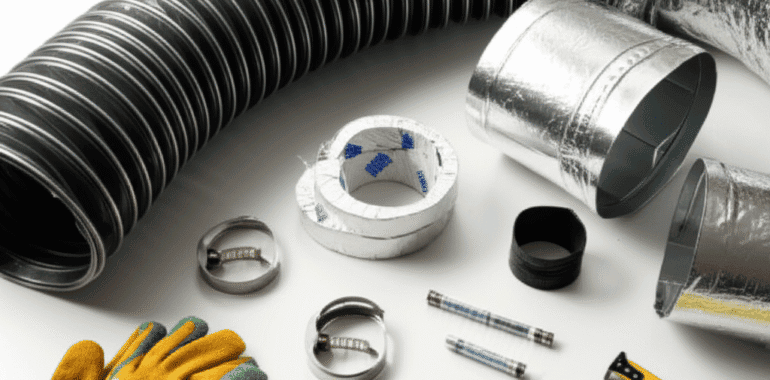
Ductwork Setup Tips for HVAC Systems
Ductwork installation controls how an HVAC system spreads comfort, but many forget its importance. A smart design and precise setup can lower energy bills, keep temperatures even, and quiet annoying sounds. Homeowners and installers benefit from advice on planning, sizing, sealing, insulating, and upkeep to keep things running smooth and steady. Small changes in ductwork bring huge boosts in comfort and savings. Discover the hidden tricks that make your home cozier and save you money. Stick around to find out what really works and why it matters so much.
These recommendations reflect field experience and common industry practices. You will find guidance on material choices, layout rules, common mistakes to avoid, and signals that point to needed repairs or upgrades. Read on to gain useful ideas you can use during a new install or a retrofit project.
Common Ductwork Mistakes That Reduce HVAC Performance
Poor layout and weak connections are frequent causes of poor comfort. Typical errors include undersized trunks, excessive use of long flexible runs, and joints left unsealed. Here are specific problems to watch for and how they affect the system.
- Undersized main ducts lead to higher fan pressure and uneven airflow. The blower works harder and rooms farthest from the unit get the least airflow.
- Excessive supply branch takeoffs create high pressure drop and noisy registers. Short, direct runs deliver air more evenly.
- Loose or unsealed connections allow conditioned air to escape into crawl spaces and attics which wastes energy and lowers comfort.
- Poor return placement causes negative pressure in living spaces and uneven temperatures. Returns should be sized for the airflow and positioned to pick up air from the center of the space served.
Planning Your Duct Layout for Comfort and Efficiency
Start with a clear plan before cutting openings or installing plenums. Sketch the trunk path, branch locations, and return pathways. A thoughtful layout minimizes bends and keeps run length reasonable which lowers pressure drop and improves balance.
- Place the main trunk close to the center of the house when possible to shorten branch runs.
- Keep supply branches uphill when moving air to a second level to help with distribution.
- Group bedrooms on the same trunk to simplify zoning and control.
Example layout tip. If a trunk must cross an attic, run it along the ridge instead of across joists which reduces the need for long branch runs. When planning, mark high return locations early so register placement matches supply locations and circulation is effective.
Choosing Materials and Sizes for Long Lasting Ductwork
Material choice affects durability, leakage, and cost. Common options include galvanized sheet metal, flexible insulated duct, and duct board. Each has trade offs that should align with the project goals.
Sheet Metal versus Flexible Duct
Sheet metal ducts are rigid and hold shape under pressure which gives predictable airflow. They are preferred for trunks and long straight runs. Flexible duct is useful for short branch runs to registers where it can save time and fit around framing. Avoid long runs of flex because compression, kinks, and unsupported sag add resistance.
Proper Sizing Rules of Thumb
Follow manufacturer charts or a duct sizing guide when possible. For residential systems, keep main trunks large enough to handle the total airflow and use progressively smaller branches. Avoid microsizing the first branch off the trunk. If you need a quick check, compare register airflow to the branch size and make sure the branch is not forcing unusually high velocities which create noise and increase fan workload.
Sealing and Insulation Tips to Cut Losses
Air leakage at joints and seams is a major source of energy waste. Proper sealing and insulation reduce heat loss and gain and improve system responsiveness. Use methods that last through temperature cycles and humidity changes.
- Sealing products Mastic is a reliable sealant for sheet metal joints and collars. Use mastic or UL 181 rated foil tape at flex duct connections. Avoid cloth backed duct tape because it degrades over time.
- Insulation In unconditioned spaces choose duct insulation with higher R value. R 6 is a typical minimum for many climates. Insulating the trunk first yields the biggest benefit when the trunk runs through attics or uninsulated crawl spaces.
- Wrap connections Seal round takeoffs and boot connections with mastic and then add a layer of foil tape if desired. Pay attention to boot-to-floor connections in suspended installations where movement can open gaps.
Installation Best Practices During Rough in and Retrofit
Good installation during the rough in avoids labor intensive fixes later. Whether working on a new build or a retrofit, keep the following practices in mind to reduce rework and limit performance issues.
Secure and Support Duct Runs
Support ducts at regular intervals to prevent sagging. Straight, level trenches in attics or basements keep ducts from kinking and reduce the chance that flexible runs will collapse under insulation. When passing through framing, use collars or sheet metal adapters sized to maintain straight flow.
Minimize Bends and Transitions
Each elbow or sharp transition increases pressure drop. Use long sweep bends where space allows and install turning vanes in larger transitions if airflow balancing becomes difficult. A few extra inches of straight duct before and after a joint smooths flow and lowers noise.
Balancing, Register Placement, and Airflow Checks
Good register placement and balancing deliver even comfort. Think about where occupants live and position supplies to move conditioned air into the occupied zone. Returns should not be blocked by furniture or doors.
- Place supplies high on walls or ceilings for cooling and low for heating in rooms with high ceilings. This simple tactic helps match airflow to heat transfer.
- Use manual dampers at branch takeoffs to fine tune airflow. Start with design airflow values and adjust while measuring with a flow hood or making relative comparisons between rooms.
- Listen for whistling or rumbling at registers which often indicates high velocity or sharp turns. Reducing velocity or smoothing turns reduces noise and raises comfort.
Maintenance Steps to Keep Ducts Clean and Functional
Routine maintenance prolongs system life and protects indoor air quality. Establish simple checks and a schedule for inspection and cleaning.
- Inspect visible ducts annually for evidence of separation at joints, crushed flexible runs, and deterioration of insulation.
- Replace filters according to manufacturer guidance and more often in homes with pets or high dust loads.
- Consider professional cleaning when there is mold growth, pest contamination, or persistent dust that filter changes do not solve. Cleaning should include access port inspection and brushing of trunks and major branches.
When to Call a Professional for Ductwork Installation
Some ductwork tasks are well suited to a handy homeowner. Framing a small access panel or replacing a flexible run can be done with care. Larger trunk work, major layout changes, or situations involving refrigerant lines and furnace modifications are best left to a qualified firm. A trained provider can perform airflow calculations, verify static pressure, and size equipment to the new duct layout.
For readers in Southlake, Texas the local team at Berkeys Southlake TX HVAC Contractor Ductwork Installation offers duct planning and installation services which include inspection, load calculation, and sealed duct construction. Calling a contractor makes sense when you want correct sizing from the start and a warranty on the work.
Signs That an Existing Duct System Needs Repair or Replacement
Watch for these red flags which mean it is time to evaluate the ducts. Addressing the problem early saves on utility bills and prevents uneven wear on the HVAC equipment.
- System short cycles or struggles to reach set points across seasons
- Rooms with big temperature swings relative to the rest of the house
- High energy bills without a change in usage patterns
- Visible gaps at seams or a musty smell coming from returns
Practical upgrades can include adding returns, resizing branches, or replacing long runs of compressed flex with properly supported sheet metal. Even modest repairs like resealing a few major joints often produces immediate performance gains and lower operating cost.
Good ductwork setup is about planning and attention to key details. A system that is sized sensibly, sealed well, and supported properly will deliver steady airflow, quieter operation, and improved comfort. Use the guidelines in this article when planning a new install or evaluating an existing system and make a list of the top three improvements that would make the biggest difference in your home. If you are unsure how to proceed or need professional measurement and installation, reach out to a local contractor who can run a load calculation and recommend changes. Taking action now can reduce energy use and raise comfort quickly. Contact a qualified provider to schedule an inspection and start with a clear plan for the work.