
Hygge Interior Warmth Ideas
Hygge Interior Warmth Ideas
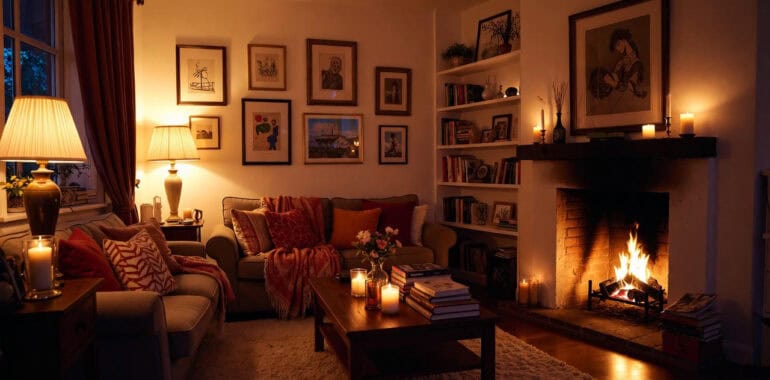
Creating a calm and cozy home depends on simple choices that bring comfort and softness. Hygge caught on because it wraps life in warmth and invites slower, happier moments. Think warm textures, soft lights, quiet nooks, and things that make you want to pause and breathe. These touches change a house into a smooth-flowing, welcoming space where every room feels like a peaceful escape. Picking the right furniture, materials, and setup builds a place that feels like a gentle hug after a tough day. Keep the ideas coming to see how little changes turn a home into a peaceful retreat you’ll never want to leave.
Warm lighting ideas for a cosy setting
Light plays a strong role in shaping the feel of any room. Soft and layered light brings out calmness while avoiding harsh brightness. Warm bulbs create gentle tones that help you unwind after a long day. One useful tip is to avoid strong overhead fixtures and instead work with scattered light sources placed at different heights. Table lamps and floor lamps can soften shadows and give corners a pleasant glow.
Candles also add warmth and comfort. Their gentle flicker brings a sense of stillness that pairs well with quiet reading or evening rest. Candle holders made of amber glass or ceramic add an inviting touch without overpowering the room. For people who prefer a safer option you can use flameless candles with warm toned bulbs. These offer the same glow without the heat. As you plan your lighting keep in mind that you want small pockets of radiance rather than one bright point. This helps every part of your home feel soothing.
Choosing light positions
Place lamps near areas where you move or spend time such as a reading chair a dining table or a study nook. Light that comes from the side is gentler than light that comes from above. This creates an environment that encourages relaxation and slow moments.
Comfortable fabrics that add warmth
Hygge interiors depend heavily on texture. Soft materials make the room feel alive and approachable. Wool cotton and linen are common choices. Each material brings its own personality which helps your living space feel layered and welcoming. A wool blanket draped across your sofa invites you to sit down and rest. Linen cushions with earthy tones give your seating gentle visual interest without feeling busy.
Rugs also play a key role. A thick rug under a coffee table brings softness underfoot and helps define a quiet area for conversation or relaxation. Even small rugs placed beside your bed help you start your day with comfort. When selecting fabrics stick to colours inspired by nature such as cream brown clay or soft green. These colours remain calming even when used in larger amounts.
Mixing patterns and textures
Patterns should be subtle and used sparingly. A thin stripe or a simple knit pattern is enough to create character without making the room feel full. Mixing different textures adds interest while keeping the space gentle. For example pair a smooth cotton throw with a chunky knit cushion or add a light linen curtain next to a wool rug. These combinations help the home feel balanced and comforting.
Natural elements that bring calmness
Nature provides a steady sense of calm which makes it a perfect match for Hygge interiors. Wood stone and plants introduce grounded elements into your rooms. Wooden furniture brings warmth through its grain patterns and tones. Choose pieces with rounded edges and simple shapes to maintain a comforting atmosphere.
Houseplants add softness and life. Even one or two plants can freshen up a corner. Choose low upkeep plants if you prefer easy routines. Green foliage stands out beautifully against warm neutrals and helps the room feel lively yet steady. Stones or pebbles placed in bowls or trays can also add earthy charm without requiring care.
Using natural scents
Scents drawn from nature such as pine cedar lavender or orange peel help anchor your senses. Use essential oil diffusers sparingly. One or two drops in a diffuser or a small dish of potpourri is enough. Gentle scents make your home feel cared for and inviting.
Furniture choices that support slow living
Furniture has a strong influence on how you experience your space. For a Hygge home choose pieces that feel sturdy and welcoming. Instead of large and imposing sets try selecting a few well shaped items with warm materials. Wooden tables simple fabric sofas and cushioned chairs create a comforting foundation for daily life.
A reading chair placed near a window becomes a moment of escape. A small bench near the entryway gives you a place to sit while removing your shoes. These thoughtful placements turn ordinary routines into calm moments. Avoid furniture with sharp lines or glossy surfaces since these can make the room feel rigid.
Balancing open areas and cosy corners
You can divide your home into small zones without building walls. Use rugs to outline a rest area or position a lamp beside a chair to create a reading corner. This helps your home feel organised and gentle. Each area can have a purpose whether it is quiet work morning coffee or conversation. This arrangement supports a steady flow that feels natural and pleasant.
Colour choices for a gentle mood
Colour influences how you feel the moment you enter a room. Hygge style works best with soft tones that invite calmness. Shades like cream tan moss green clay or muted blue help set a peaceful mood. These tones reflect natural light nicely and pair well with wooden furniture and soft fabrics.
Using a single main colour for walls helps maintain steadiness. You can then add accent tones through cushions blankets or pottery. For example cream walls combined with clay toned pottery and a light moss throw will create harmony without overwhelming the room. Warm neutral colours also make it easier to introduce seasonal changes such as lighter fabrics in warmer months or thicker textures in cooler months.
Creating smooth transitions between rooms
Using similar tones across different rooms helps your home feel connected. This does not require matching everything. Instead pick a colour family and let each room express it softly. For instance a living area with tan and cream can flow into a bedroom with soft brown and linen white. This consistency supports a peaceful overall feel.
Personal items that support a welcoming atmosphere
Meaningful items add charm to Hygge interiors. They remind you of moments that brought comfort or joy. Consider placing framed photos pottery handmade mugs or books that you enjoy. These pieces bring personal warmth that no store bought item can replace. The goal is to create a setting where you feel supported by your surroundings.
However avoid overcrowding surfaces. Too many items can make a room feel busy. Choose a few pieces that speak to you and give them space to shine. Rotate items during the year if you enjoy small changes. This keeps your home feeling fresh without introducing clutter.
Choosing the right placement
A shelf with a few books and a small plant can brighten a corner. A coffee table with two mugs and a simple tray sets the tone for conversation. Place items where they add comfort or pleasant memories rather than filling space. This makes your home feel intentional and gentle.
Conclusion with guidance for next steps
Building a Hygge inspired home is a slow and thoughtful process that focuses on comfort warmth and simple pleasures. By choosing calm colours gentle light natural textures and meaningful personal items you create an environment that supports your routines and brings ease to everyday life. Each room becomes a place where you can pause breathe and enjoy quiet moments. With these ideas you can shape a home that feels calm stable and inviting without relying on trends. As you explore ways to bring more softness to your rooms you may find the guide at Hygge Interior Design helpful. Use these ideas to shape a living space that brings comfort to both quiet mornings and peaceful evenings. Your home becomes a gentle retreat that welcomes you every time you return.